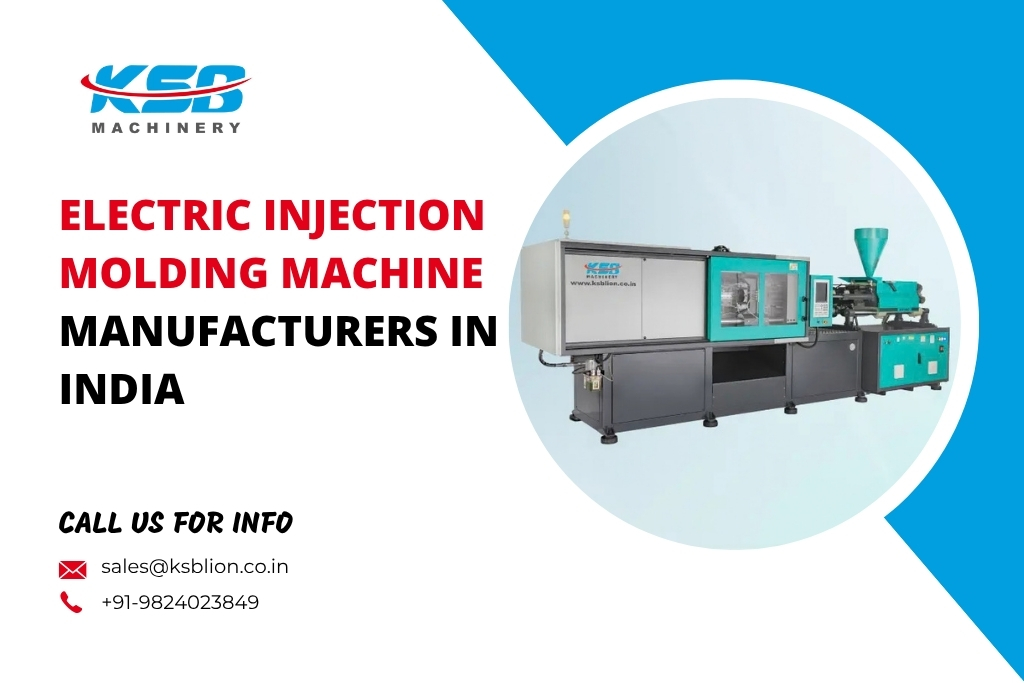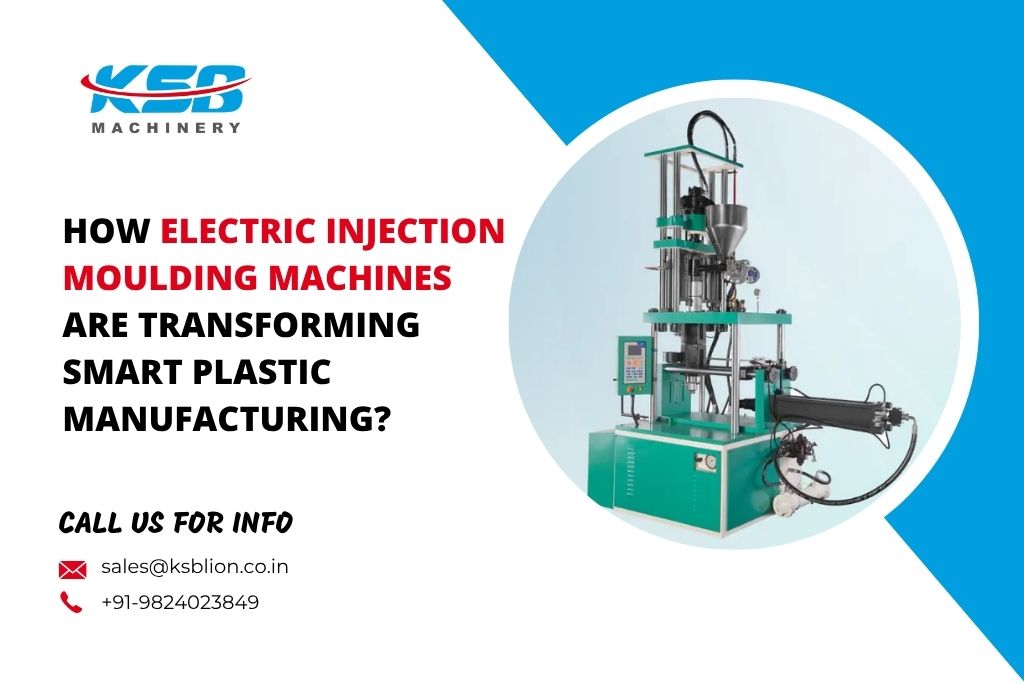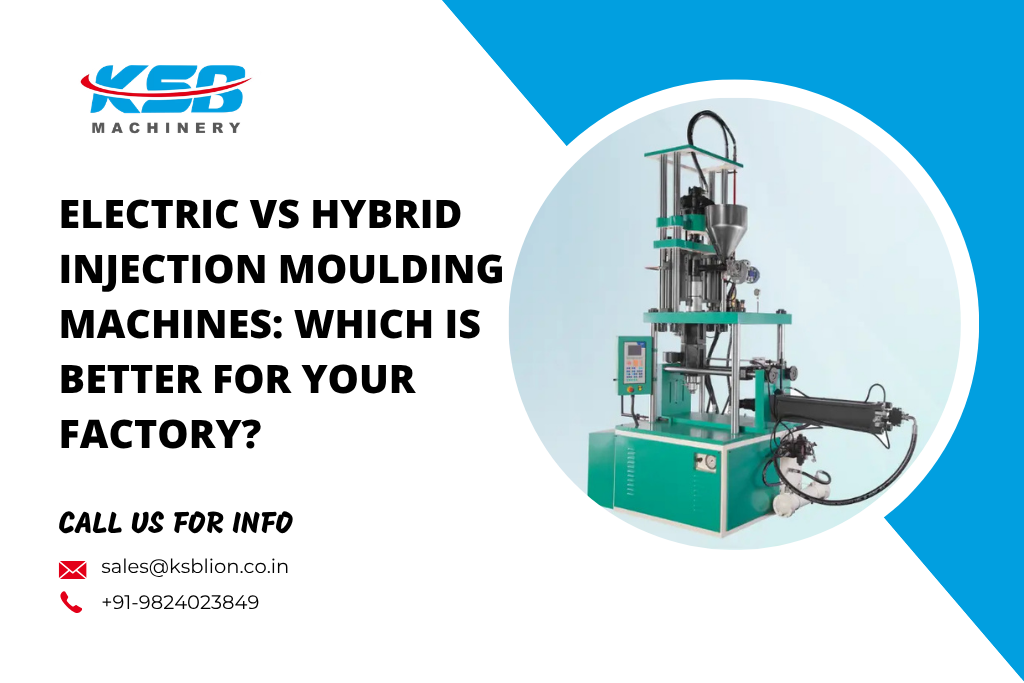

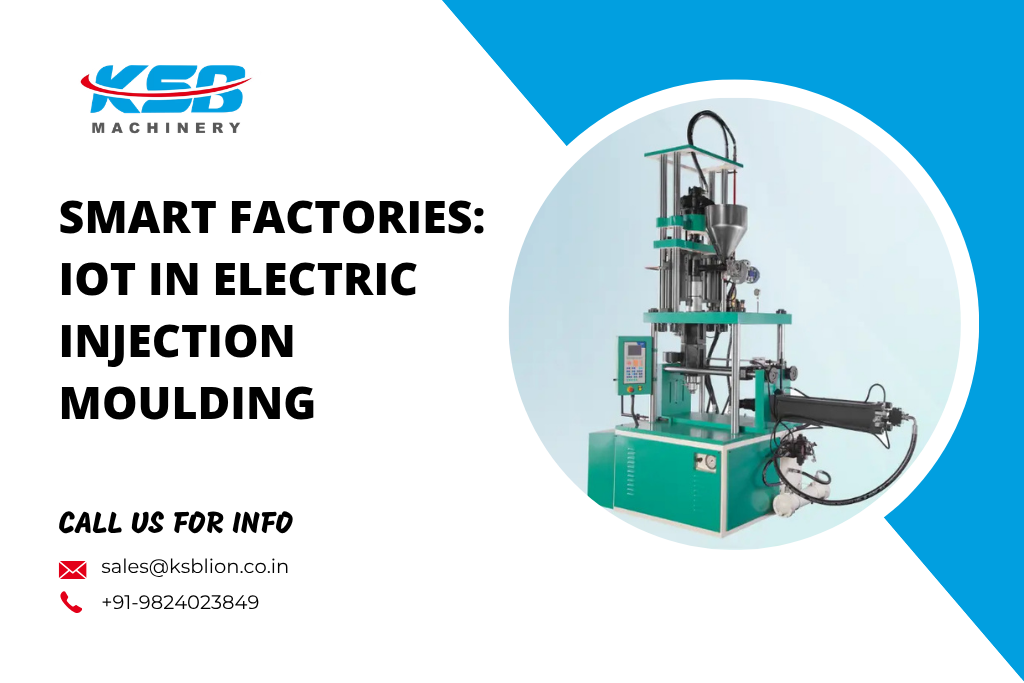
The manufacturing industry is undergoing a major transformation with the rise of smart factories. At the center of this evolution is the integration of the Internet of Things (IoT) into production systems. One of the most impactful applications is IoT in electric injection moulding machines, which is redefining efficiency, precision, and productivity in plastic manufacturing.
What is IoT in Electric Injection Moulding Machines?
IoT in electric injection moulding machines refers to the use of connected sensors, software, and data analytics to monitor and control machine operations in real time. These machines collect data on temperature, pressure, cycle time, and energy consumption, enabling manufacturers to optimize performance.
Unlike traditional systems, IoT-enabled machines communicate with centralized platforms, making production more transparent and efficient.
Role of Electric Injection Moulding Machines in Smart Factories
Modern electric injection moulding machines are designed for high precision, speed, and energy efficiency. When integrated with IoT, they become a key component of smart factory injection moulding technology.
Key Capabilities:
- Real-time Monitoring: Track machine performance and detect issues instantly
- Automated Controls: Adjust parameters automatically for optimal output
- Energy Efficiency: Reduce power consumption through intelligent systems
- High Precision: Ensure consistent product quality with minimal defects
This combination enhances productivity while reducing operational costs.
Benefits of Industrial IoT Plastic Manufacturing Automation
The adoption of industrial IoT plastic manufacturing automation brings several advantages to manufacturers:
1. Predictive Maintenance
IoT sensors can detect early signs of wear and tear, allowing timely maintenance. This reduces downtime and prevents costly breakdowns.
2. Improved Production Efficiency
Automated data analysis helps optimize cycle times and reduce material waste, increasing overall efficiency.
3. Enhanced Quality Control
Continuous monitoring ensures consistent product quality by identifying defects during the production process.
4. Data-Driven Decision Making
Manufacturers gain valuable insights from data analytics, helping them make informed operational decisions.
5. Remote Monitoring and Control
Operators can manage machines remotely, improving flexibility and reducing the need for manual intervention.
How Smart Factory Injection Moulding Technology Works?
Smart factory injection moulding technology integrates multiple systems to create a connected production environment. Here’s how it works:
- Sensors collect real-time data from machines
- Cloud Platforms store and analyze the data
- AI & Analytics Tools provide actionable insights
- Automation Systems implement adjustments without human intervention
This interconnected ecosystem ensures seamless operations and continuous improvement.
Importance of Choosing the Right Injection Moulding Machine Manufacturers
To fully leverage IoT capabilities, selecting reliable Injection moulding Machine Manufacturers is essential. The right manufacturer ensures:
- Advanced IoT-enabled machine features
- High-quality components for durability
- Seamless software integration
- Strong after-sales support and maintenance
Working with experienced manufacturers helps businesses transition smoothly into smart manufacturing.
Challenges and Considerations
While the benefits are significant, implementing IoT in injection moulding comes with challenges:
- Initial Investment Costs
- Data Security Concerns
- Integration with Existing Systems
- Skilled Workforce Requirements
However, the long-term gains in efficiency and productivity often outweigh these challenges.
Future of IoT in Electric Injection Moulding
The future of IoT in electric injection moulding machines looks promising. With advancements in AI, machine learning, and automation, smart factories will become even more intelligent and autonomous.
Emerging trends include:
- Fully automated production lines
- Self-optimizing machines
- Increased use of digital twins
- Enhanced sustainability and energy efficiency
These innovations will continue to reshape the plastic manufacturing industry.
Conclusion
The integration of IoT in electric injection moulding machines is transforming traditional manufacturing into a highly efficient and intelligent process. By leveraging smart factory injection moulding technology and industrial IoT plastic manufacturing automation, businesses can achieve higher productivity, better quality, and reduced costs.
As industries move toward smarter operations, partnering with leading Injection moulding Machine Manufacturers and adopting advanced electric injection moulding machines will be key to staying competitive in the evolving manufacturing landscape.