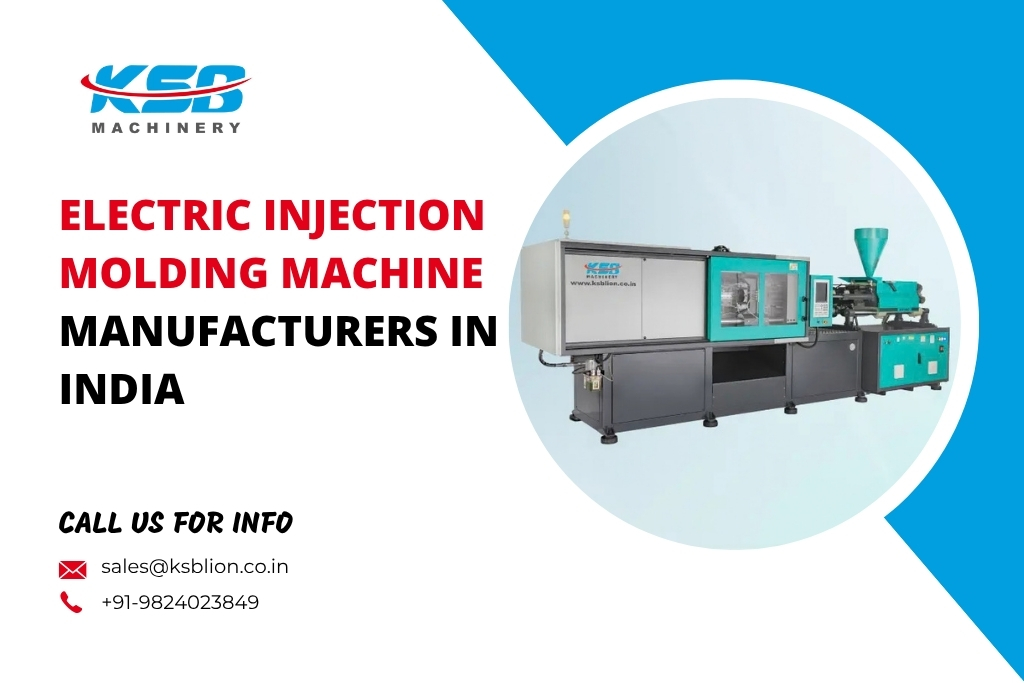
Electric injection molding machine manufacturers use servo motors instead of hydraulic pumps to run the clamping, injection, and ejection units. This cuts power use by 30-70%, gives cleaner precision, and suits industries like medical, packaging, and electronics. When you’re comparing electric plastic injection moulding machine manufacturers, look at tonnage range, after-sales service, energy data, and real factory experience, not just the price tag.
Key Takeaways
- Electric machines run on servo motors, so they use less power and give tighter shot-to-shot consistency than hydraulic machines.
- India’s electric injection moulding machine suppliers now serve automotive, medical, packaging, and consumer electronics plants that need clean, quiet, high-precision production.
- The right fully electric injection moulding machine manufacturers will offer local service support, spare parts, and proven installations, not just a spec sheet.
- Machine tonnage, shot size, energy consumption per kg, and cycle time repeatability are the numbers that actually matter during selection.
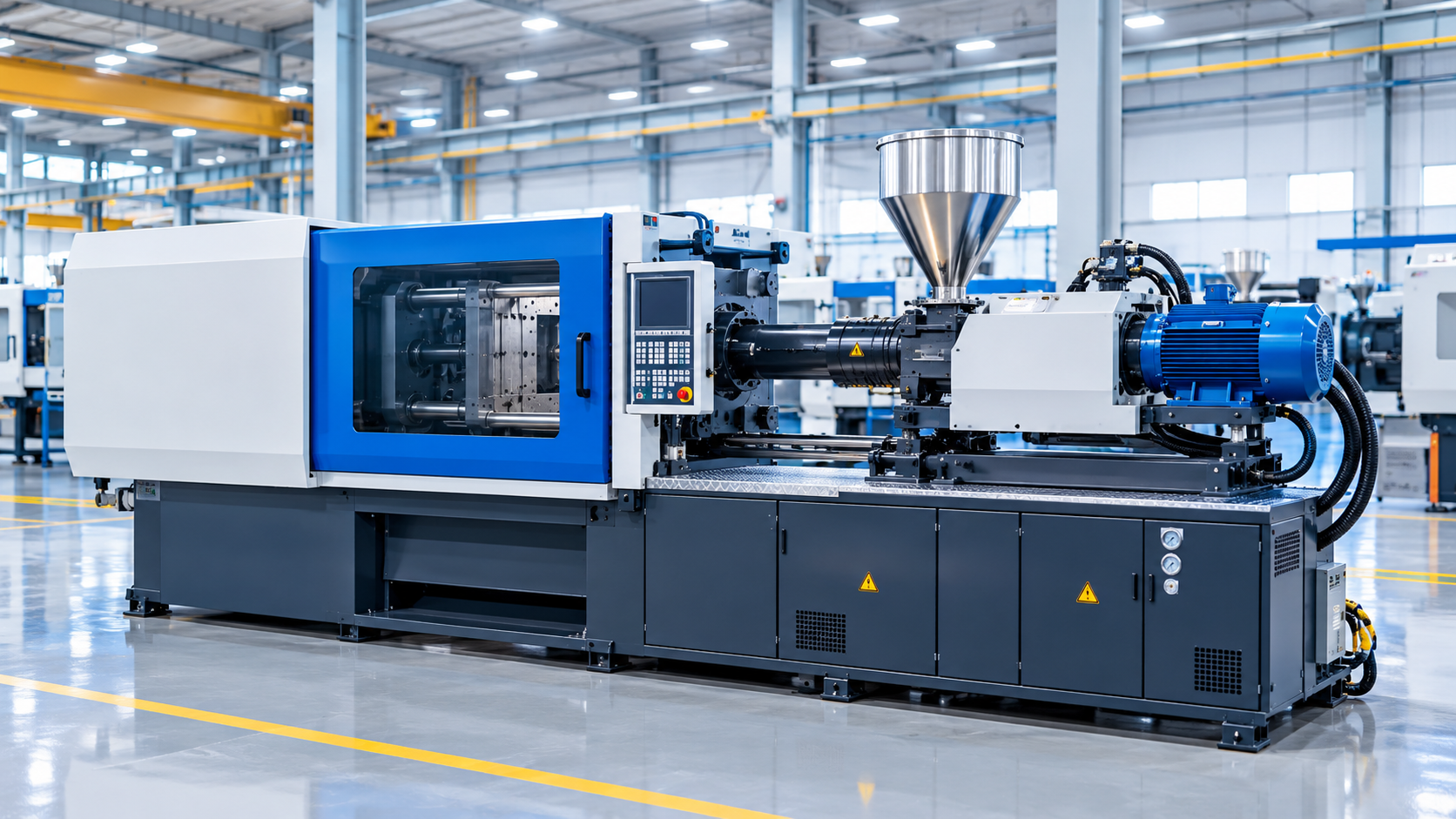
If you run a plastic processing unit, you’ve probably noticed the shift happening around you. More plants are moving from noisy hydraulic presses to quieter, faster electric machines. But finding electric injection molding machine manufacturers who match your production needs isn’t as simple as picking the first name on Google. This guide breaks down how these machines work, what separates good manufacturers from average ones, and how to pick a supplier you won’t regret later.
What Is an Electric Injection Molding Machine?
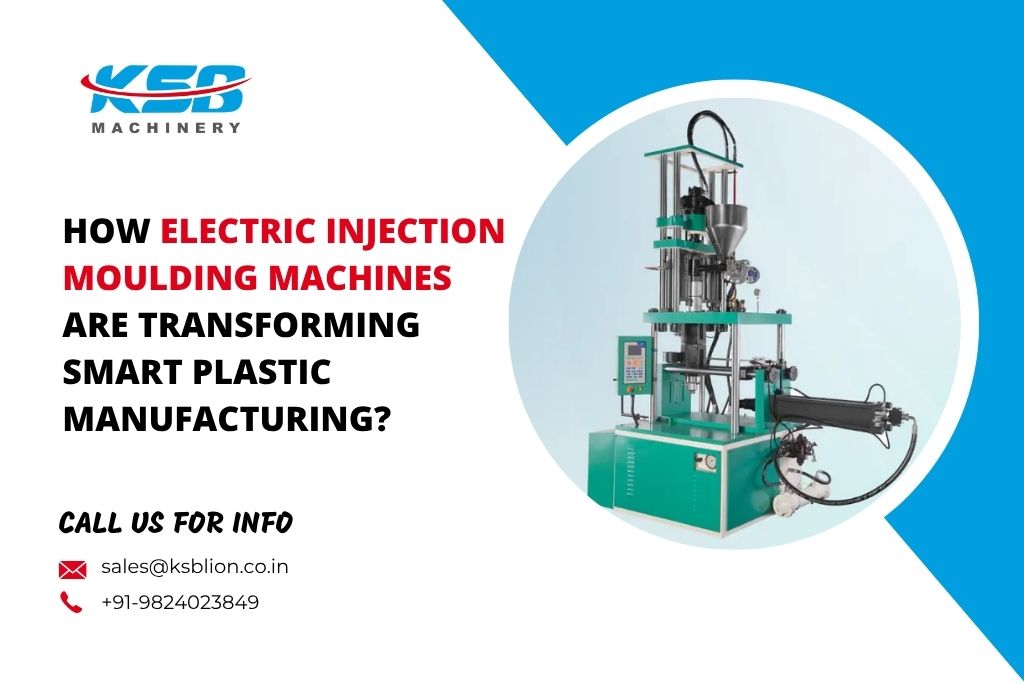
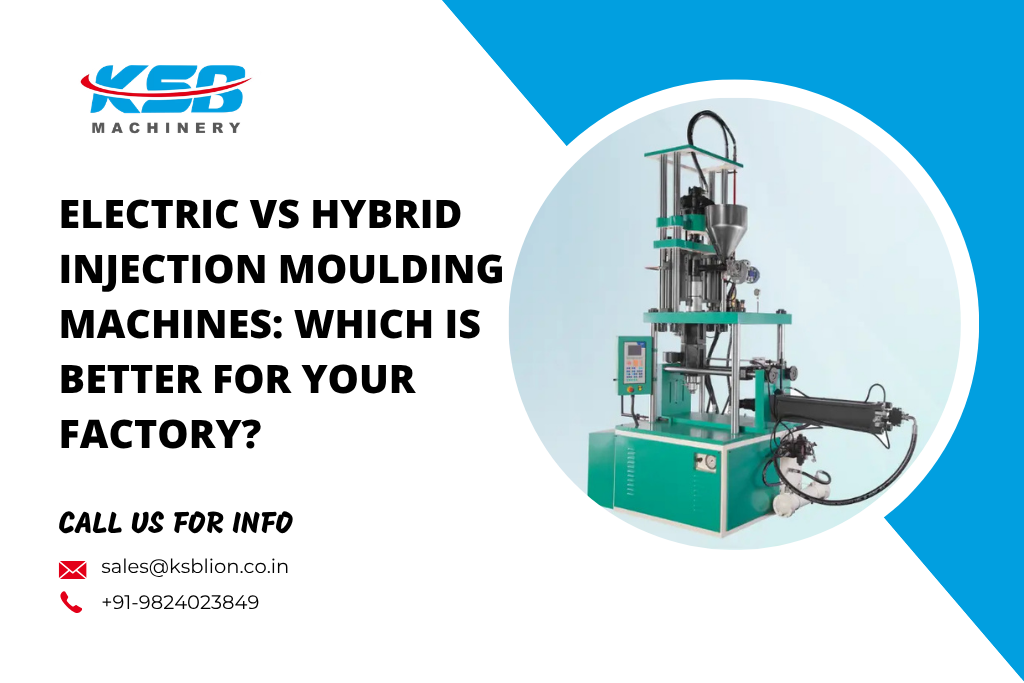
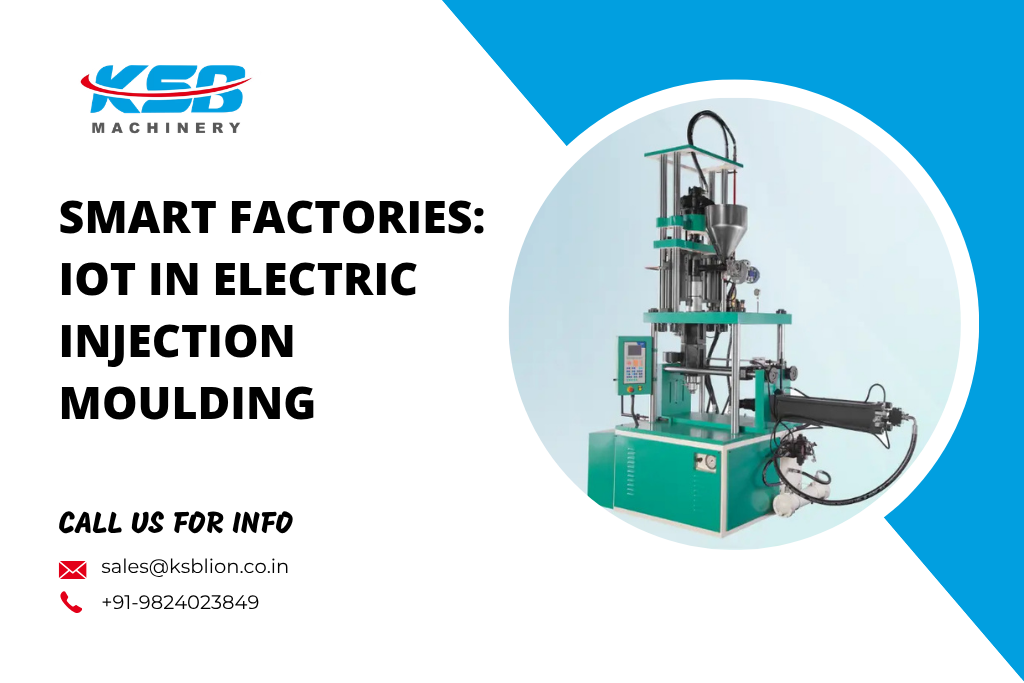
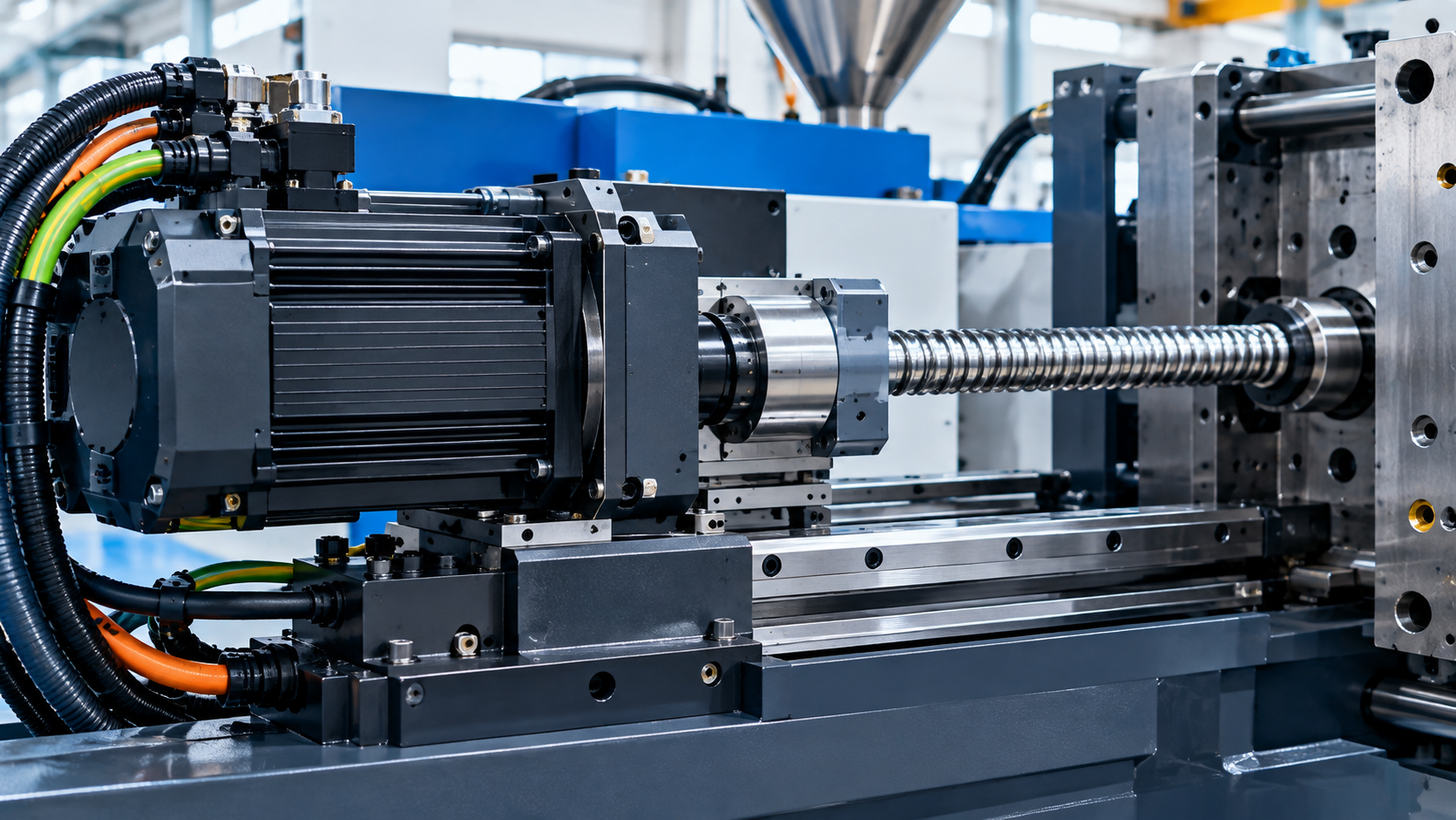
An electric injection molding machine is a plastic processing machine where servo motors drive every major movement, clamping, screw rotation, injection, and ejection, instead of a hydraulic oil pump. There’s no oil tank, no hoses, and far less heat on the shop floor. That’s why electric plastic injection moulding machine manufacturers market these as the “clean” option for industries where an oil leak can ruin a batch, like medical devices or food packaging.
Why Are Indian Manufacturers Moving to Electric Machines?
Electricity costs and stricter quality demands from export clients are pushing Indian processors toward electric machines faster than expected. A hydraulic press keeps its pump running even during idle time, wasting power. An electric machine’s servo motor only draws power when it’s moving, which is why plants report lower electricity bills after switching.
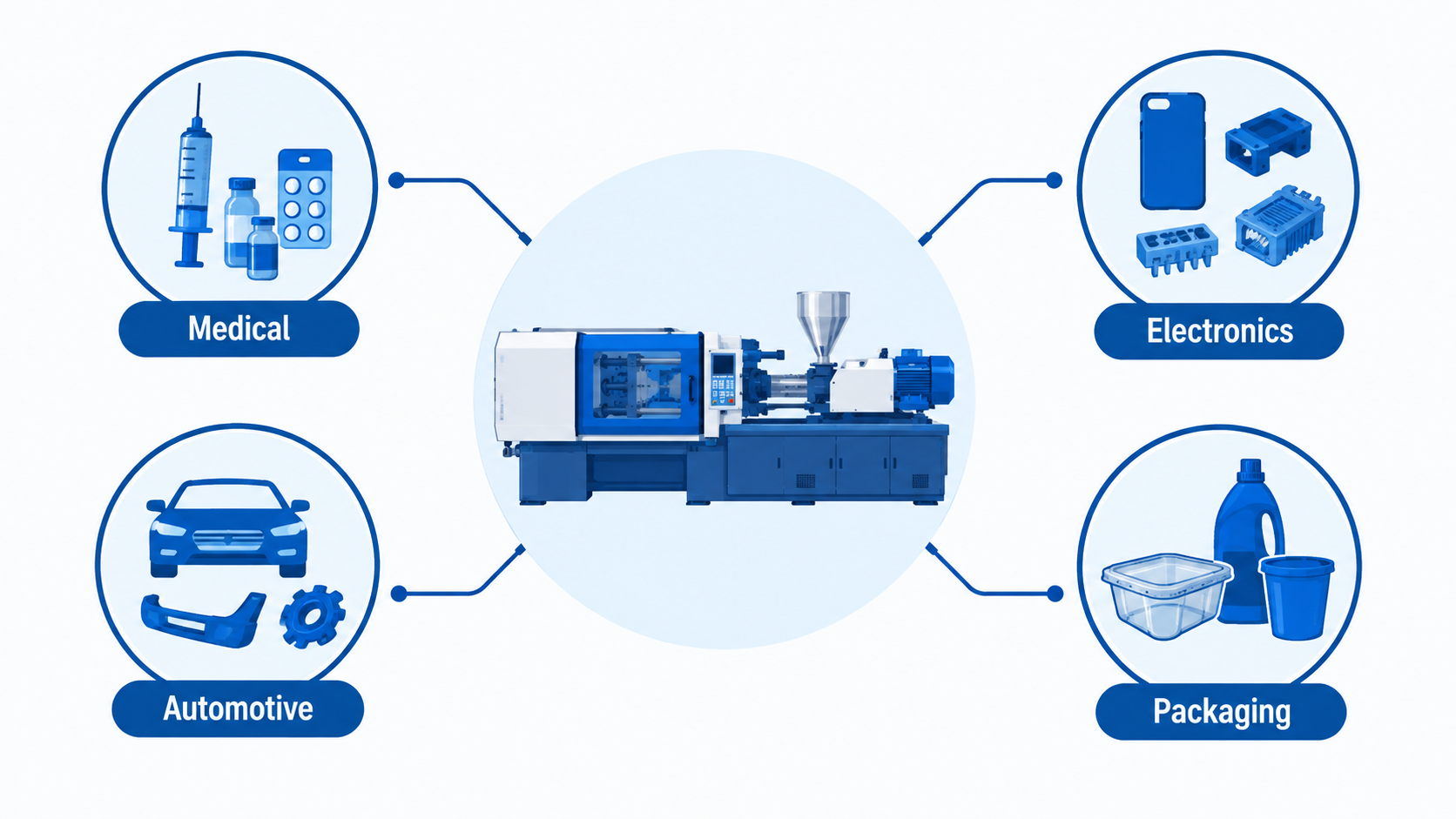
Here’s where electric machines are winning the most ground in India right now:
- Medical and pharma packaging, where cleanroom-grade precision is non-negotiable
- Automotive connectors and thin-wall parts that need tight tolerances
- Consumer electronics housings with fine surface finish requirements
- Thin-wall food packaging that demands fast, repeatable cycles
| Industry | Why Electric Machines Fit | Typical Tonnage Range |
| Medical devices | No oil contamination risk, cleanroom compatible | 50-250 tons |
| Automotive components | High repeatability, tight tolerances | 150-650 tons |
| Consumer electronics | Fine finish, low vibration | 80-350 tons |
| Packaging (thin-wall) | Fast cycle times, energy savings | 100-500 tons |
How Electric Injection Molding Machines Work?
Instead of hydraulic cylinders pushing fluid to move the mold plates, electric machines use ball screws driven by servo motors. Each axis, clamping, injection, and screw rotation, has its own motor and feedback loop. This means the control system knows the exact position and speed of every movement, which is why shot-to-shot repeatability improves so much over hydraulic systems.
The result is a machine that starts and stops faster, holds pressure more precisely, and doesn’t need a warm-up cycle to reach stable oil viscosity the way hydraulic machines do.
Electric vs Hydraulic vs Hybrid: Which One Fits Your Plant?
Not every plant needs a fully electric machine. Some genuinely do better with hybrid or hydraulic systems, especially for very high tonnage or abrasive materials. Here’s a quick side-by-side to help you place your own production against the right machine type.
| Factor | Hydraulic | Hybrid | Electric |
| Energy use | Highest | Moderate | Lowest (30-70% savings) |
| Precision & repeatability | Good | Very good | Excellent |
| Noise level | High | Moderate | Low |
| Maintenance (oil, seals) | Regular | Reduced | Minimal |
| Upfront cost | Lowest | Mid-range | Higher |
| Best for | Heavy, high-tonnage parts | General purpose plants | Precision, clean, high-speed parts |
Key Specifications to Compare Before You Buy
When you’re shortlisting electric plastic injection moulding machine manufacturers, don’t just compare brochures side by side. Ask for real production data from a plant running a similar part to yours. A few numbers that genuinely separate good machines from average ones:
- Energy consumption per kilogram of plastic processed, not just “energy saving” claims
- Dry cycle time and actual cycle time under load, since these often differ a lot
- Repeatability tolerance on clamping force and injection position
- Servo motor and drive brand, since spare part availability matters five years down the line
- Warranty terms on the ball screw and servo drive, which are the costliest parts to replace
How to Choose the Right Manufacturer?
This is where most buyers go wrong, they compare price first and everything else later. Flip that order. A manufacturer who under-quotes but has no service engineer nearby will cost you more in downtime than you saved on the invoice.
Before signing anything, check these points with the Electric Injection Moulding Machines manufacturer you’re considering:
- Ask to visit a live installation running a similar part, not just the showroom demo unit
- Confirm spare parts stock and average delivery time for servo drives and screws
- Check certifications like ISO and CE, and ask for the actual certificates, not just logos on the website
- Get the after-sales service response time in writing, not verbally
Manufacturers who’ve published real technical breakdowns, like this piece on Electric Injection Moulding Machine Trends & Future Insight, usually have engineers who understand the technology deeply enough to support you after the sale too.
References and Sources
Industry data on electric machine adoption and energy savings referenced above draws on publicly available plastics machinery industry reports and manufacturer technical documentation from the injection moulding sector. For KSB Machinery LLP’s own certifications and manufacturing credentials, see the Certifications page and KSB Machinery LLP.
Frequently Asked Questions
Which company is best for an injection molding machine?
There isn’t one “best” brand for every plant. Engel, Haitian, Sumitomo Demag, and Arburg lead globally, while manufacturers like KSB Machinery LLP serve Indian processors with machines matched to local part sizes, budgets, and service needs. The right pick depends on your tonnage, material, and how fast you need support on the ground.
How much does an electric injection molding machine cost in India?
Prices vary widely based on tonnage, brand, and automation level, typically running higher than an equivalent hydraulic machine upfront. Most buyers recover the difference within two to four years through lower electricity bills and reduced maintenance.
Is an electric injection moulding machine better than a hydraulic one?
For precision parts, cleanroom industries, and energy savings, yes, electric machines usually win. For very high tonnage or abrasive, glass-filled materials, hydraulic or hybrid machines can still be the more practical and durable choice.
How long does an electric injection molding machine last?
With regular maintenance, a well-built electric injection moulding machine typically runs reliably for 10 to 15 years, though ball screws and servo drives may need replacement sooner depending on usage intensity.
Conclusion
Choosing between electric injection molding machine manufacturers isn’t just about who quotes the lowest price. It comes down to real production data, service reach, and a manufacturer who understands what happens on your shop floor after the machine is installed. Take your time comparing specifications, visit a live installation if you can, and ask hard questions about after-sales support before you sign. For Indian processors looking for electric machines built and backed with real local expertise, KSB Machinery LLP remains a name worth putting on your shortlist.