Manufacturers today are under constant pressure to improve production efficiency, reduce operating costs, and maintain consistent product quality. As plastic manufacturing technologies continue to evolve, many businesses face an important decision: should they invest in an electric injection moulding machine or a hybrid injection moulding machine?
Both technologies offer significant advantages compared to conventional hydraulic systems, but they are designed for different production requirements. Understanding the differences between these machine types can help factory owners make a smarter investment decision.
In this guide, we compare the electric vs hybrid injection moulding machine debate and help you determine which option best suits your manufacturing needs.
Understanding Electric Injection Moulding Machines
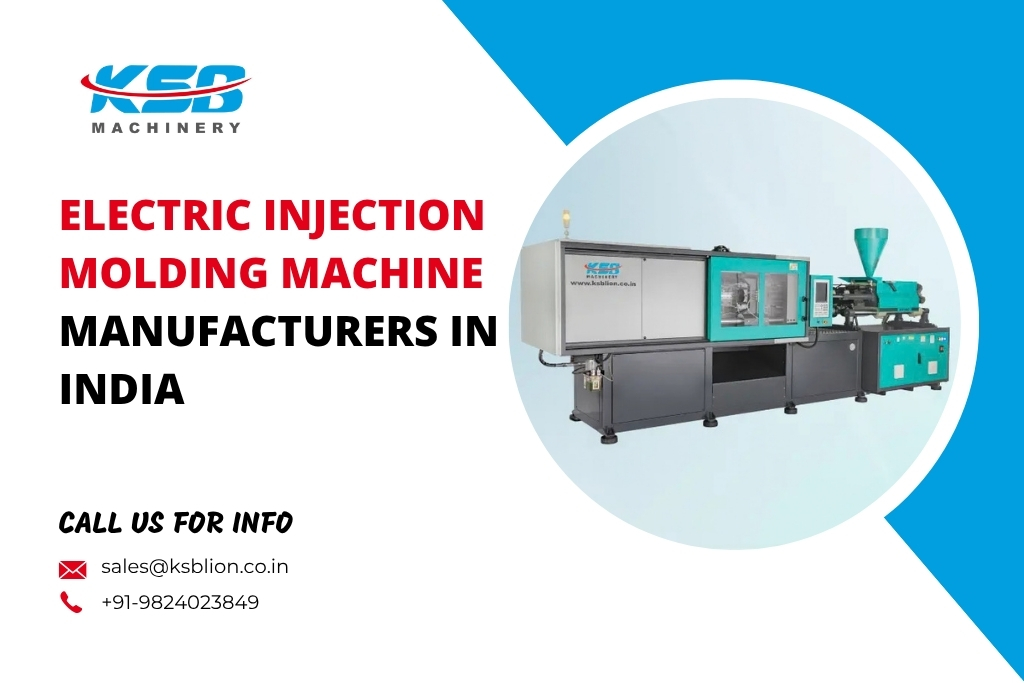
An electric injection moulding machine operates using servo-driven electric motors instead of traditional hydraulic systems. Every major movement, including injection, clamping, and ejection, is controlled by electric motors.
Key Characteristics of Electric Machines:
- High precision and repeatability
- Faster response times
- Lower energy consumption
- Reduced machine noise
- Clean production environment
- Minimal maintenance requirements
Because of their accuracy, electric machines are widely used in industries requiring tight tolerances and consistent product quality.
Manufacturers looking for advanced moulding solutions can explore options from an experienced Electric Injection Moulding Machines Manufacturer specializing in modern production technologies.
Understanding Hybrid Injection Moulding Machines
A hybrid injection moulding machine combines electric and hydraulic technologies. It uses electric drives for precision-critical functions while retaining hydraulic systems for operations requiring higher force.
This combination aims to deliver the benefits of both technologies.
Key Characteristics of Hybrid Machines:
- Improved energy efficiency compared to hydraulic systems
- Higher force output capabilities
- Better flexibility for varied production requirements
- Lower operating costs than traditional hydraulic machines
- Balanced performance for diverse applications
Many manufacturers choose hybrid systems when they need both precision and power.
Electric vs Hybrid Injection Moulding Machine: Key Differences
When comparing an electric vs hybrid injection moulding machine, several factors should be evaluated.
1. Precision and Accuracy
Electric Injection Moulding Machine:
Electric systems provide extremely accurate movement control.
Benefits include:
- Consistent shot size
- Better repeatability
- Reduced dimensional variation
- Improved product quality
Hybrid Injection Moulding Machine:
Hybrid systems offer good precision but may not match the accuracy levels of fully electric machines.
2. Energy Efficiency
Energy consumption significantly affects manufacturing costs.
Electric Machines:
Electric motors consume power only when movement occurs.
Advantages include:
- Lower electricity consumption
- Reduced operational expenses
- Better energy utilization
Hybrid Machines
Hybrid systems are more efficient than hydraulic machines but still rely partly on hydraulic power.
3. Production Speed
Cycle time directly impacts factory productivity.
Electric Injection Moulding Machine
Electric motors provide:
- Faster acceleration
- Precise movement control
- Shorter cycle times
Hybrid Injection Moulding Machine
Hybrid systems also deliver strong performance but may have slightly slower response times.
4. Clamping Force Requirements
Some manufacturing applications require significant force.
Electric Machines
Suitable for many precision applications but may have limitations in certain heavy-duty requirements.
Hybrid Machines
Hydraulic assistance provides additional force where necessary.
5. Maintenance Requirements
Maintenance affects machine uptime and operating costs.
Electric Injection Moulding Machine
Typically requires:
- Less routine maintenance
- Fewer hydraulic components
- Cleaner operation
Hybrid Injection Moulding Machine
Maintenance requirements remain lower than hydraulic machines but higher than fully electric systems.
Which Industries Prefer Electric Machines?
An electric injection moulding machine is commonly used in industries where precision and consistency are critical.
Typical Applications:
- Medical devices
- Electronic components
- Packaging products
- Consumer goods
- Precision engineering parts
These industries benefit from the repeatability and cleanliness offered by electric systems.
Which Industries Prefer Hybrid Machines?
A hybrid injection moulding machine is often selected by manufacturers handling larger or more demanding production applications.
Common Applications:
- Automotive components
- Industrial plastic products
- Large moulded parts
- Heavy-duty manufacturing
- Infrastructure products
The combination of power and efficiency makes hybrid systems suitable for diverse production environments.
Factors to Consider Before Choosing
Every factory has unique production requirements. Before deciding between an electric vs hybrid injection moulding machine, consider the following factors.
Evaluate Your Production Goals
Product Complexity:
- Precision parts favor electric machines
- Large industrial components may benefit from hybrid systems
Production Volume:
- High-volume precision production often favors electric technology
- Mixed production environments may suit hybrid systems
Energy Costs
Factories focused on long-term energy savings may prefer electric systems.
Future Expansion
Consider future production requirements before investing.
Importance of Choosing the Right Manufacturer
Regardless of the technology selected, choosing the right supplier is crucial.
A reliable Injection Moulding Machine Manufacturer can provide:
- Technical consultation
- Machine customization
- Installation support
- Operator training
- Spare parts availability
- Long-term service assistance
Businesses should evaluate manufacturer experience, service capabilities, and machine quality before making a final decision.
You can explore complete moulding solutions from a trusted Injection Moulding Machine Manufacturer offering machines designed for modern industrial applications.
Common Buying Mistakes to Avoid
Many manufacturers focus only on initial purchase cost.
Avoid These Mistakes:
- Ignoring energy consumption
- Choosing incorrect machine capacity
- Overlooking maintenance requirements
- Not considering future production growth
- Selecting a supplier without strong service support
A well-planned investment delivers better long-term returns.
Conclusion
The decision between an electric injection moulding machine and a hybrid injection moulding machine depends on your production priorities.
If your factory requires maximum precision, lower energy consumption, and consistent repeatability, an electric system is often the best choice. If your operations demand higher force, production flexibility, and a balance between performance and efficiency, a hybrid solution may be more suitable.
Understanding the differences in the electric vs hybrid injection moulding machine comparison helps manufacturers choose equipment that aligns with their production goals, budget, and long-term growth plans. Working with an experienced Injection Moulding Machine Manufacturer ensures you receive the right machine configuration and ongoing support for years to come.