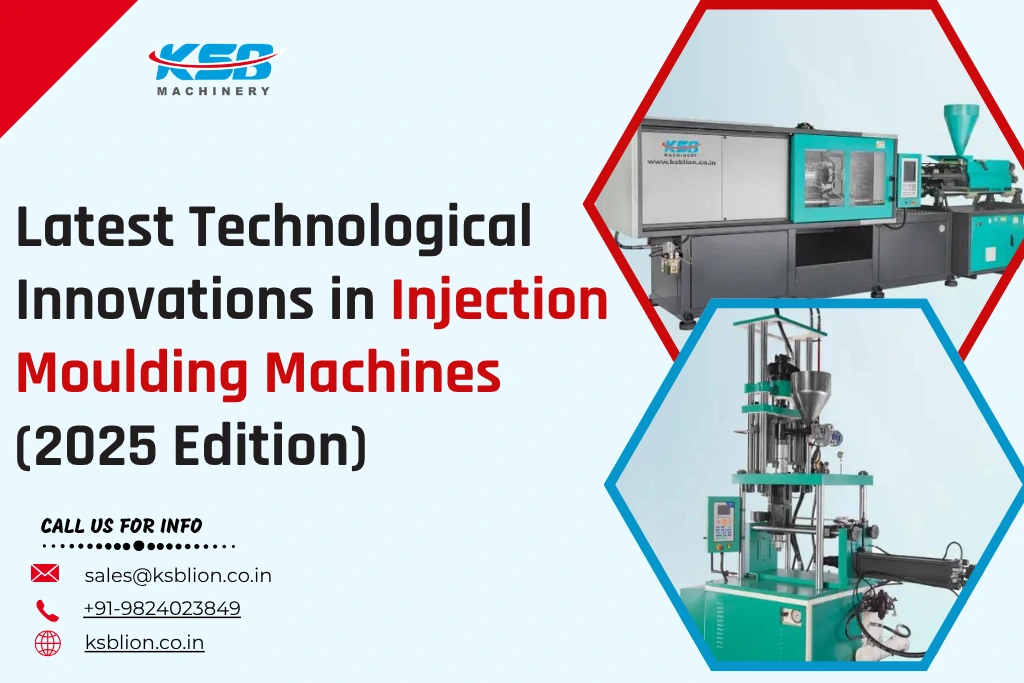
The Future of Plastic Injection Moulding Machines
The injection moulding industry is entering an exciting era. Driven by rising demand for precision, speed, and sustainability, manufacturers are pushing the boundaries of what modern Plastic Injection Moulding Machines can do. As we step into 2025, let’s explore the latest injection moulding machine technology 2025 that’s reshaping production floors worldwide.
Whether you run a large factory or a mid-size moulding shop, understanding these trends can help you stay ahead of competitors, reduce costs, and improve part quality.
Smart Automation and Industry 4.0 in Injection Moulding
Perhaps the biggest game changer is the integration of industry 4.0 in injection moulding. It’s more than a buzzword — it’s transforming daily operations.
Key features include:
- Real-time machine monitoring: Operators can track cycle times, temperatures, and production output via cloud dashboards, accessible from anywhere.
- Predictive maintenance: AI algorithms analyze data trends to forecast part wear, preventing unexpected downtime.
- Smart quality control: Automated sensors check parts inline, instantly flagging deviations.
These innovations in plastic injection moulding machines allow owners to:
- Minimize defects
- Reduce machine downtime
- Optimize energy use
- Make faster, data-driven decisions
By 2025, more factories are expected to adopt interconnected systems, making production smarter, leaner, and more transparent.
Rise of All-Electric and Hybrid Machines
A major highlight of Injection Moulding Machines 2025 is the shift towards all-electric and hybrid machines. These models use servo-driven systems instead of traditional hydraulics, leading to:
- Lower power consumption (up to 50% less energy)
- Greater precision and repeatability
- Cleaner and quieter operation (important in medical and food packaging sectors)
Hybrid machines combine the strength of hydraulic clamping with electric-driven injection, balancing speed and power. As sustainability becomes a top priority, factories are replacing older hydraulic presses with these efficient alternatives.
The result? Significant cost savings and improved environmental performance — benefits every industry owner is watching closely.
3D Printing and Rapid Prototyping Integration
Another standout among innovations in plastic injection moulding machines is the seamless integration with 3D printing. Manufacturers now use additive manufacturing to:
- Produce prototype mould inserts quickly
- Test new designs before investing in full-scale steel moulds
- Speed up time-to-market for new products
By combining moulding and additive manufacturing, companies reduce development cycles and stay flexible in an ever-changing market.
Advanced Process Control Systems
Beyond the machines themselves, software has become central to latest injection moulding machine technology 2025.
Modern process control systems:
- Auto-adjust parameters like injection speed, temperature, and pressure in real time
- Learn from previous production data to optimize settings
- Alert technicians immediately when variables drift out of tolerance
For industries demanding tight tolerances — such as automotive, medical, and electronics — this level of precision ensures parts consistently meet specifications, reducing waste and rework.
Focus on Sustainable Production
Environmental sustainability is shaping every aspect of Injection Moulding Machines 2025:
- Machines are designed to run bio-based or recycled materials efficiently.
- Energy recovery systems reuse heat, reducing overall energy demand.
- Lightweight part design reduces plastic usage while maintaining strength.
Combined, these trends help manufacturers meet stricter regulations and align with customer demand for eco-friendly products.
Modular & Customizable Designs
A key trend driving investment in Plastic Injection Moulding Machines is modularity. Manufacturers can now:
- Upgrade specific machine modules (e.g., injection unit or control system) rather than replacing the whole machine.
- Adapt machines to new product lines or materials quickly.
This flexibility supports small-batch production and rapid changeovers, essential for factories making diverse parts for multiple industries.
Retrofitting: Bridging Old and New
While investing in brand-new Injection Moulding Machines 2025 is ideal, many industry owners prefer to retrofit older machines with:
- Servo-driven pumps for energy savings
- Advanced controllers for better process monitoring
- IoT-enabled sensors for predictive maintenance
Retrofitting allows companies to capture many benefits of industry 4.0 in injection moulding without large capital investment, making technology upgrades more accessible.
Conclusion
As we look at the latest injection moulding machine technology 2025, one thing is clear: the industry is evolving towards smarter, cleaner, and faster production.
From fully electric machines to real-time process control and AI-powered maintenance, these innovations in plastic injection moulding machines empower manufacturers to cut costs, boost quality, and stay competitive in global markets.