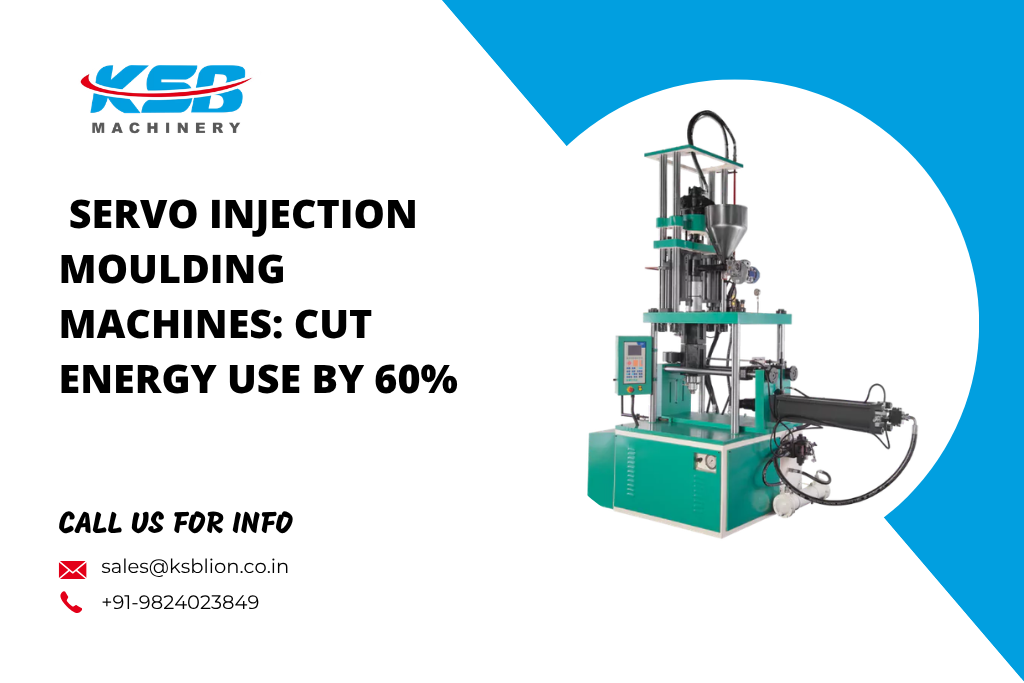
In today’s competitive manufacturing landscape, energy efficiency is no longer optional-it’s a necessity. Rising electricity costs and sustainability pressures are pushing industries to adopt smarter technologies. One such innovation transforming the plastics industry is servo injection moulding machines, known for their ability to significantly lower power consumption while improving performance.
This blog explores how energy-efficient injection moulding works, why servo systems are gaining popularity, and how manufacturers can reduce energy use in moulding without compromising productivity.
What Are Servo Injection Moulding Machines?
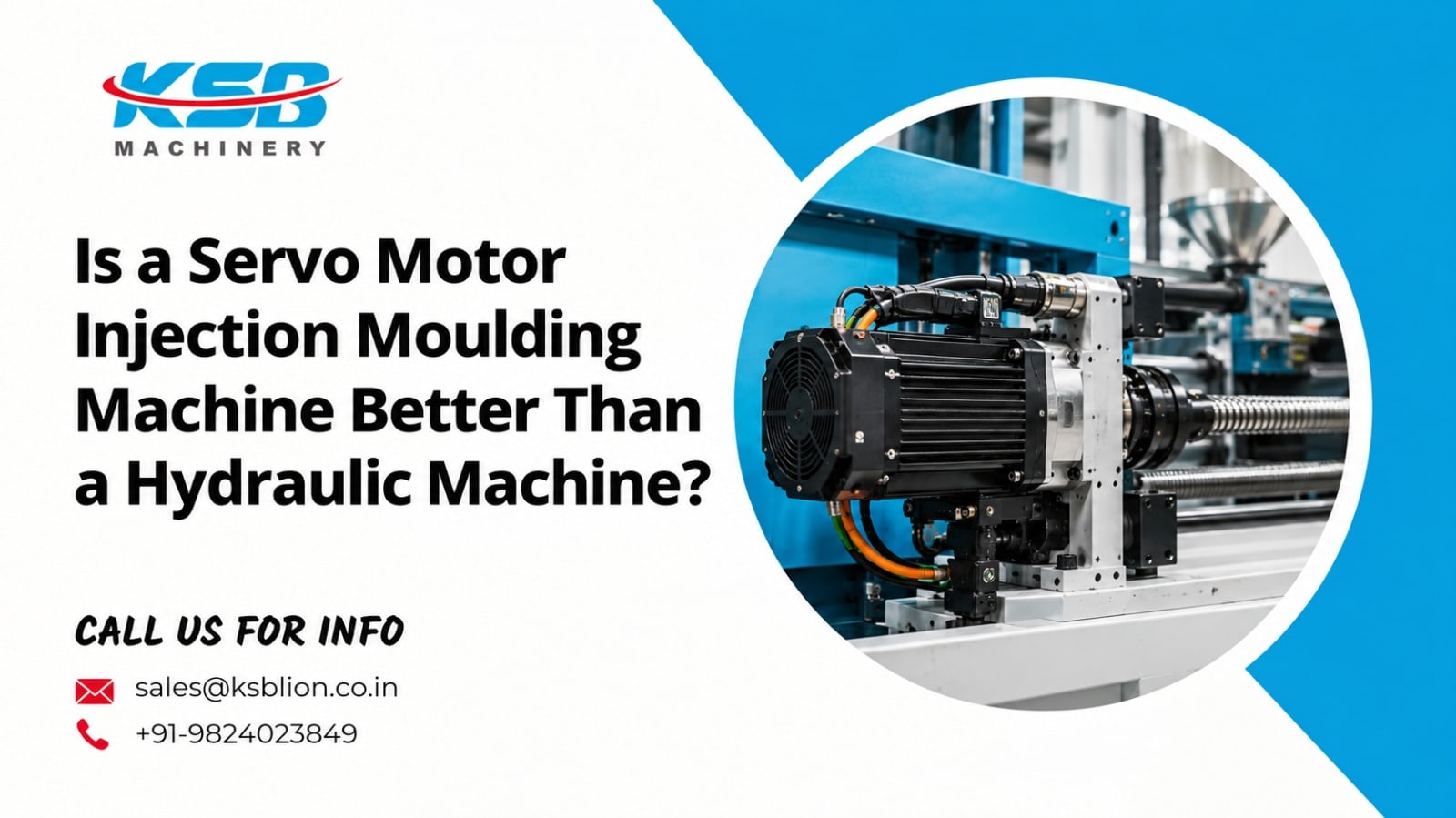
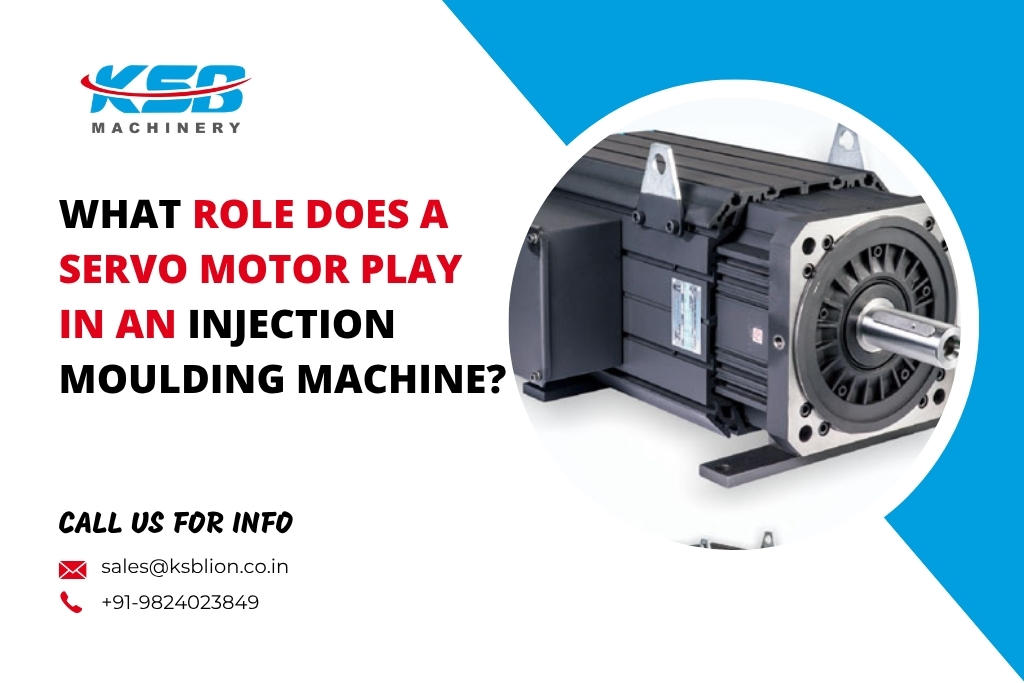
Servo injection moulding machines use advanced servo motors to control hydraulic pumps with high precision. Unlike conventional machines that run continuously at fixed speeds, servo systems adjust motor speed based on real-time demand.
This intelligent control ensures that energy is only used when needed-resulting in substantial power savings and improved operational efficiency.
How Servo Technology Reduces Energy Consumption?
Traditional hydraulic injection moulding machines consume large amounts of electricity because their motors run constantly, even during idle phases. In contrast, servo-driven machines operate dynamically.
Here’s how they help reduce energy use in moulding:
1. On-Demand Power Usage
Servo motors operate only during active cycles such as injection, clamping, or ejection. When the machine is idle, energy consumption drops significantly.
2. Precise Control
Servo systems provide accurate control over speed, pressure, and flow. This minimizes energy wastage and improves repeatability in production.
3. Lower Heat Generation
Conventional systems generate excess heat, requiring additional cooling. Servo machines produce less heat, reducing the need for cooling systems and saving even more energy.
4. Shorter Cycle Times
Faster response times and improved control lead to optimized cycle times, increasing output while consuming less energy per unit.
Achieving Up to 60% Energy Savings
One of the biggest advantages of servo injection moulding machines is their potential to cut energy consumption by up to 60%. This figure can vary depending on production conditions, machine size, and application-but the savings are consistently significant.
These reductions come from:
- Eliminating idle motor running
- Reducing hydraulic losses
- Improving overall system efficiency
For manufacturers operating high-volume production lines, these savings translate into substantial cost reductions over time.
Benefits Beyond Energy Efficiency
While energy savings are a major advantage, energy-efficient injection moulding offers several additional benefits:
Improved Product Quality
Consistent pressure and speed control result in fewer defects and higher-quality molded parts.
Reduced Maintenance Costs
Servo systems experience less wear and tear compared to traditional hydraulic systems, leading to lower maintenance requirements.
Quieter Operation
Servo motors operate more quietly, improving workplace conditions.
Eco-Friendly Manufacturing
Lower energy consumption means reduced carbon emissions, helping companies meet sustainability goals and regulatory standards.
Why Manufacturers Are Making the Switch?
Many Injection Moulding Machine Manufacturers are now prioritizing servo technology in their product lines. The shift is driven by both market demand and environmental responsibility.
Key reasons include:
- Increasing energy costs
- Government regulations on emissions
- Demand for sustainable production
- Competitive pressure to reduce operational expenses
Adopting servo-based systems not only improves efficiency but also strengthens a company’s brand image as an environmentally responsible manufacturer.
Applications Across Industries
Servo injection moulding machines are widely used across various industries, including:
- Automotive components
- Consumer goods
- Medical devices
- Packaging solutions
- Electronics
Their versatility and efficiency make them suitable for both small-scale and large-scale manufacturing operations.
Tips to Maximize Energy Efficiency
To fully leverage the benefits of energy-efficient injection moulding, consider these best practices:
- Regularly maintain machines to ensure optimal performance
- Optimize process parameters such as pressure and temperature
- Train operators to use servo systems effectively
- Monitor energy consumption with smart tracking tools
Combining advanced machinery with proper operational practices ensures maximum energy savings.
Conclusion
The transition to servo injection moulding machines is a game-changer for modern manufacturing. By enabling companies to reduce energy use in moulding by up to 60%, these machines offer a powerful combination of cost savings, efficiency, and sustainability.
As industries continue to evolve, investing in energy-efficient injection moulding is not just a smart business decision-it’s a strategic move toward a greener and more profitable future. With leading Injection Moulding Machine Manufacturers embracing this technology, now is the perfect time to upgrade and stay ahead in the competitive market.