
In today’s competitive manufacturing landscape, Indian plastic product manufacturers are increasingly turning to scientific injection moulding to enhance quality, reduce waste, and maximize efficiency. The era of traditional trial-and-error methods in injection molding is gradually giving way to data-driven moulding optimization, a method that leverages precise measurements and analytics to achieve consistent, high-quality output.
Understanding Scientific Injection Moulding
Scientific injection moulding is a systematic approach to the injection molding process. Unlike conventional methods that rely on operator experience or intuition, this technique uses process monitoring, data analysis, and structured experimentation to fine-tune parameters such as temperature, pressure, injection speed, and cooling time.
For Indian manufacturers, adopting scientific injection moulding means:
- Reduced defects like warpage, sink marks, and flash.
- Higher productivity through optimized cycle times.
- Consistent quality, which is crucial for sectors like automotive, electronics, and consumer goods.
Role of Automatic Plastic Injection Moulding Machines
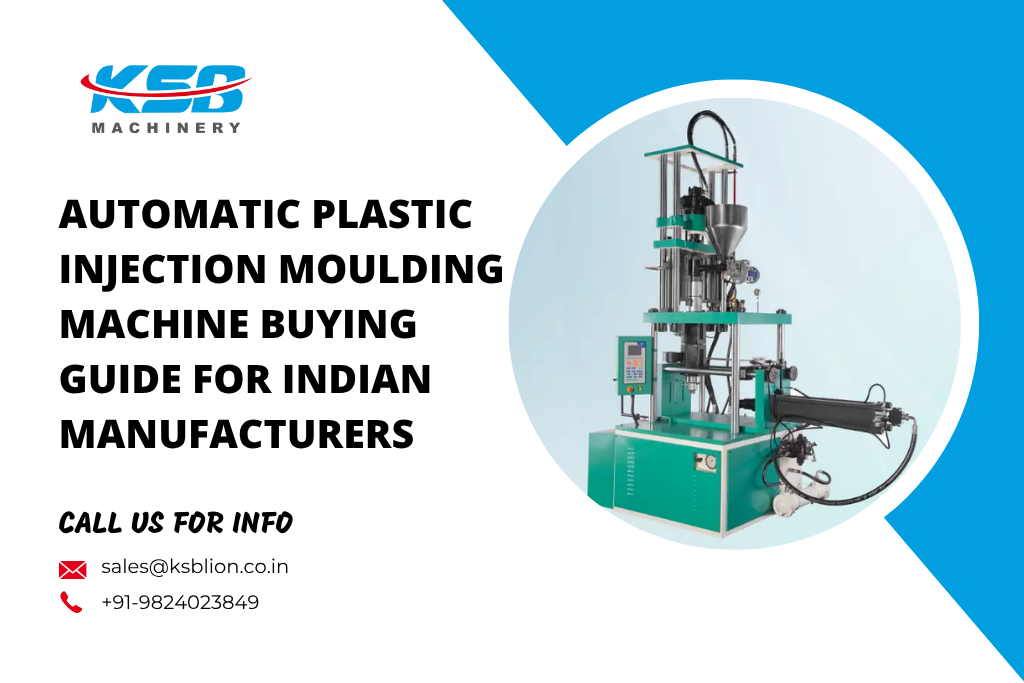
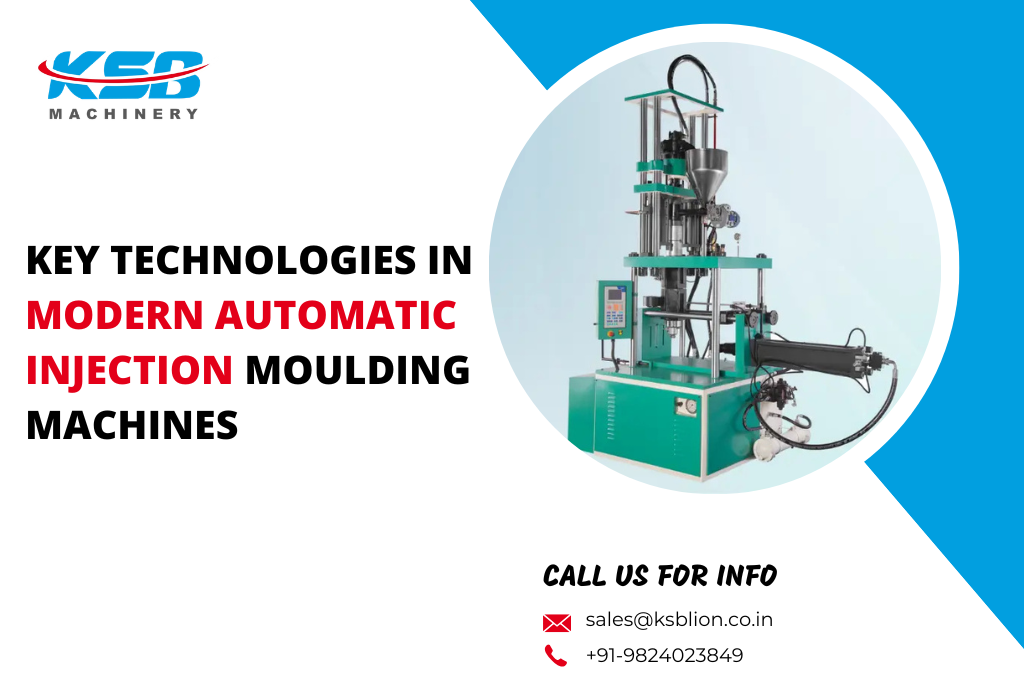
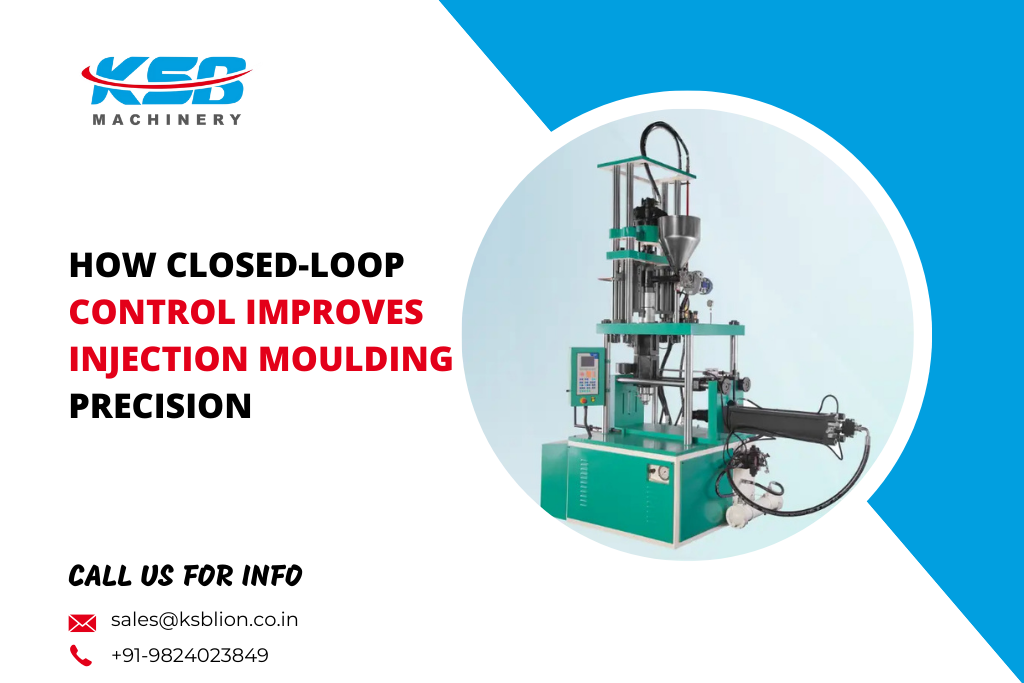
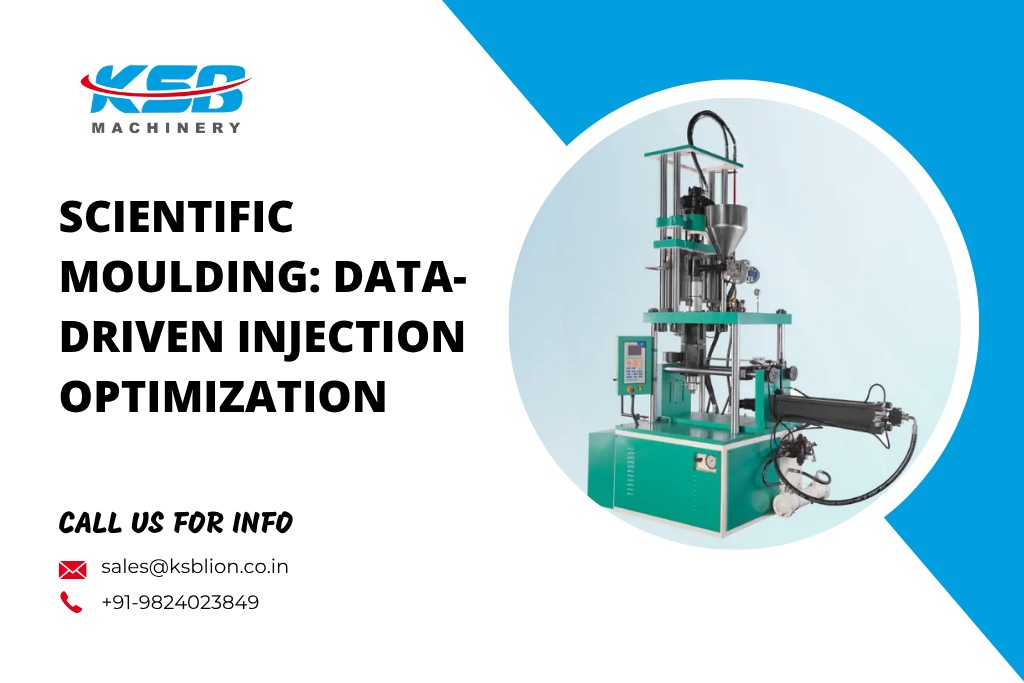
A key enabler of scientific injection moulding is the Automatic Plastic Injection Moulding Machine. These machines integrate advanced sensors and automation, allowing manufacturers to capture real-time data during production. With automation, Indian factories can:
- Minimize human error in parameter settings.
- Enable repeatable precision for high-volume production.
- Reduce labor costs while increasing throughput.
Leading Injection Moulding Machine Manufacturers in India are now offering machines with features like adaptive process control, IoT integration, and predictive maintenance. This not only streamlines production but also supports injection molding process improvement initiatives across diverse industrial segments.
Data-Driven Moulding Optimization: Why It Matters
Data-driven moulding optimization is more than just a buzzword-it’s a transformative approach for Indian manufacturers seeking efficiency and profitability. By collecting and analyzing data from sensors and machine controllers, engineers can:
- Identify the ideal process window for each mold.
- Reduce cycle times without compromising quality.
- Predict and prevent defects before they occur.
In India, where competition in the plastic industry is intensifying, companies using data-driven approaches gain a significant edge. This method enables injection molding process improvement while conserving resources, reducing energy consumption, and meeting international quality standards.
Injection Moulding Process Improvement in India
For Indian manufacturers, injection molding process improvement is essential to stay competitive both domestically and globally. Practical steps include:
- Adopting scientific molding principles: Standardize procedures using data analytics.
- Upgrading machinery: Invest in modern Automatic Plastic Injection Moulding Machines for precise control.
- Training staff: Skilled operators can interpret data and implement adjustments effectively.
- Continuous monitoring: Implement real-time process tracking to catch variations early.
Manufacturers in cities like Pune, Bengaluru, and Ahmedabad, hubs for automotive and consumer goods production, are already seeing improvements in quality and efficiency by following these practices.
Choosing the Right Injection Moulding Machine Manufacturer
Selecting the right Injection Moulding Machine Manufacturer is critical for Indian businesses aiming for excellence. Look for manufacturers that offer:
- Machines equipped with advanced sensors and automation.
- Support for data-driven moulding optimization.
- After-sales service and training tailored for Indian production environments.
- Proven case studies of injection molding process improvement in similar industries.
Investing in the right partner ensures a smoother transition to scientific molding, higher ROI, and sustained operational improvements.
Future of Scientific Injection Moulding in India
The future of India’s plastic manufacturing industry is set to be increasingly data-driven. With the adoption of scientific injection moulding, Automatic Plastic Injection Moulding Machines, and analytics-based injection molding process improvement, manufacturers can achieve:
- Zero-defect production.
- Higher efficiency and lower energy costs.
- Better alignment with global quality standards.
As India continues to expand its manufacturing base under initiatives like “Make in India,” companies embracing these advanced techniques will not only stay competitive locally but also become leaders in international markets.
Conclusion:
The shift toward scientific injection moulding and data-driven moulding optimization is no longer optional-it is essential for Indian manufacturers aiming for superior quality and efficiency. By leveraging Automatic Plastic Injection Moulding Machines, collaborating with reliable Injection Moulding Machine Manufacturers, and focusing on injection molding process improvement, India’s plastic industry is poised for remarkable growth.