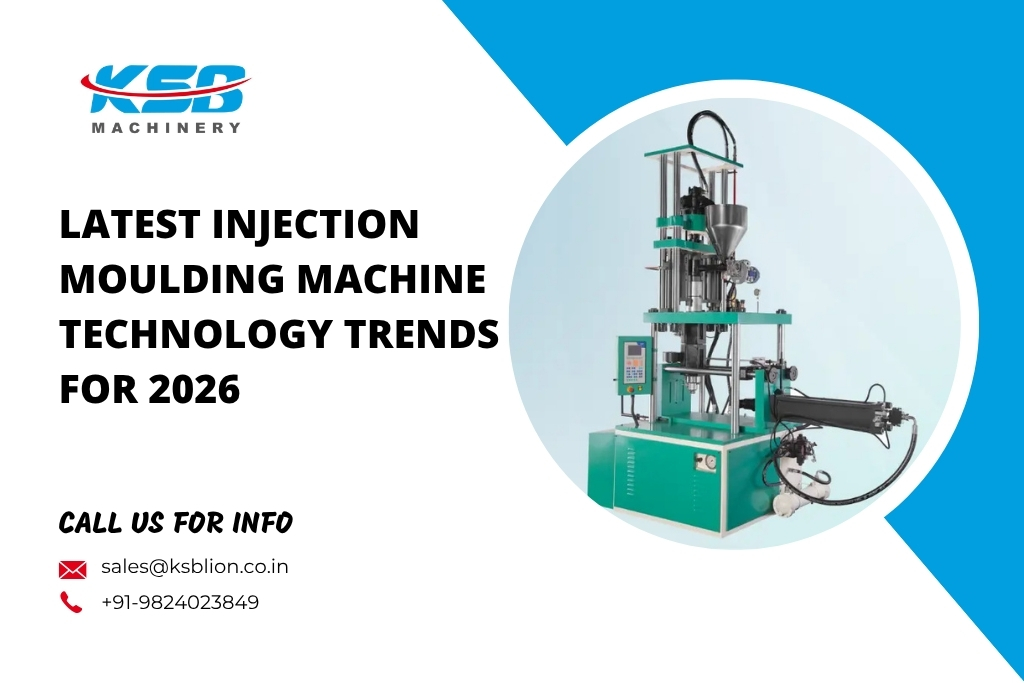
Plastic manufacturing is changing rapidly. Rising production costs, increasing quality requirements, and growing demand for sustainable manufacturing are encouraging companies to invest in advanced equipment. As a result, the injection moulding machine industry is entering a new phase of innovation. Manufacturers are looking beyond production speed and focusing on automation, energy efficiency, precision, and long-term operational value.
In 2026, businesses are expected to prioritize smart manufacturing technologies that improve productivity while reducing waste and operating costs. Whether producing packaging products, automotive components, consumer goods, or industrial parts, companies are searching for equipment that delivers consistent results and supports future growth. Understanding the latest injection moulding machine technology trends for 2026 can help manufacturers make better investment decisions and stay competitive in an evolving market.
Why Injection Moulding Technology Is Evolving in 2026?
Manufacturing expectations have changed significantly over the last few years. Customers now demand faster delivery, higher product quality, and more sustainable production methods. To meet these expectations, manufacturers are upgrading their injection moulding machinery with advanced monitoring systems, automation features, and intelligent process controls.
A modern plastic injection moulding machine can now collect production data, optimize cycle times, and reduce material waste. These capabilities help manufacturers improve efficiency while maintaining consistent product quality. The growing adoption of Industry 4.0 technologies is also influencing equipment development. Machines are becoming more connected, allowing operators to monitor performance, identify maintenance requirements, and improve production planning. As competition increases, manufacturers are investing in technology that supports long-term productivity and profitability rather than focusing solely on machine purchase price.
Smart Automation Is Transforming Injection Moulding Machines
Automation continues to be one of the biggest trends in plastic manufacturing. Modern automatic injection moulding machine systems are designed to reduce manual intervention and improve process consistency. Automated production lines can operate more efficiently while minimizing the risk of human error. Today’s injection moulding equipment often includes advanced sensors, process monitoring systems, and intelligent controls that allow operators to optimize production in real time.
Key benefits of smart automation include:
- Improved production consistency
- Reduced downtime and production interruptions
- Better quality control and traceability
Manufacturers using a plastic manufacturing machine with automation capabilities often achieve higher output while maintaining product quality standards.
Energy-Efficient Servo Technology Is Becoming the New Standard
Energy costs remain a major concern for manufacturers worldwide. This has increased demand for the energy efficient servo injection moulding machine. A servo injection moulding machine uses intelligent motor control systems that operate only when required. Unlike traditional hydraulic machines, servo-driven systems consume less power while maintaining excellent performance.
The benefits of servo driven injection moulding machines extend beyond energy savings. Manufacturers also benefit from improved precision, lower noise levels, faster response times, and reduced maintenance requirements. Many companies upgrading their facilities in 2026 are replacing older machines with servo-driven alternatives because they offer better long-term operating efficiency. For businesses seeking a high performance injection moulding machine for industrial applications, servo technology provides an excellent balance of productivity and cost control. The trend toward energy-efficient production is expected to continue as manufacturers focus on reducing operational expenses and meeting sustainability objectives.
Industry Applications Driving Demand for Advanced Machines
The demand for advanced plastic processing machine technology is being driven by several key industries. The automotive sector continues to require an injection moulding machine for automotive plastic parts capable of producing lightweight and highly precise components. As vehicle designs evolve, manufacturers need machinery that can maintain accuracy across large production volumes.
The packaging sector remains another major growth area. A plastic injection moulding machine for packaging industry applications is essential for producing containers, closures, and food packaging products with consistent quality and efficiency. Medical manufacturers also rely on advanced moulding systems for precision healthcare components where reliability is critical. An industrial injection moulding machine is increasingly used in engineering, electronics, and industrial manufacturing applications where durability and dimensional accuracy are important. These industry requirements are pushing machine manufacturers to develop more advanced injection molding solutions that support diverse production needs.
How to Choose the Best Injection Moulding Machine in 2026?
Choosing the best injection moulding machine for plastic manufacturing requires more than comparing specifications. Manufacturers should first evaluate their production goals, product designs, material requirements, and expected production volumes. Understanding how to choose an injection moulding machine starts with assessing both current and future business needs. A machine that supports future expansion often provides better long-term value.
Before investing, consider:
- Machine performance and productivity
- Energy efficiency and operating costs
- Service support and spare parts availability
Reviewing an injection moulding machine maintenance guide can also help buyers understand maintenance requirements and long-term ownership costs. Working with an experienced injection molding machine manufacturer ensures access to technical guidance, installation support, and ongoing service assistance. The right machine should not only meet current production requirements but also support future growth opportunities.
Why Manufacturers Are Choosing KSBLion?
As businesses evaluate machinery investments in 2026, many are focusing on suppliers that offer both technology and long-term support. KSBLion has become a trusted injection moulding machine manufacturer in India by providing advanced manufacturing solutions designed for modern production environments. As an experienced injection molding machine manufacturer, the company offers machines that combine productivity, precision, and operational efficiency. Their solutions are suitable for packaging, automotive, consumer goods, and industrial manufacturing applications.
Manufacturers searching for an automatic plastic injection moulding machine supplier often choose KSBLion because of its focus on machine reliability, performance, and customer support. The company’s commitment to innovation helps manufacturers improve productivity while maintaining product quality and controlling operating costs. Whether you need advanced injection moulding equipment or complete injection molding solutions, KSBLion provides technology designed to support long-term manufacturing success.
Conclusion
The latest injection moulding machine technology trends for 2026 highlight a clear shift toward smarter, more efficient, and more sustainable manufacturing. Automation, servo-driven systems, data monitoring, and intelligent process controls are helping manufacturers improve productivity while reducing costs.
These advancements are creating new opportunities across automotive, packaging, medical, and industrial sectors. For businesses evaluating new machinery investments, selecting the right partner is just as important as selecting the right machine. A reliable supplier can provide the technology, support, and expertise needed for long-term success.
KSBLion continues to support manufacturers with advanced injection moulding solutions designed for today’s production challenges and tomorrow’s growth opportunities. Investing in the right technology today can help build a more competitive and efficient manufacturing operation for years to come.
Frequently Asked Questions
1. What is an injection moulding machine used for?
An injection moulding machine is used to manufacture plastic components by injecting molten plastic into a mould. It is widely used in industries such as automotive, packaging, electronics, medical devices, and consumer products.
2. How do I choose the right injection moulding machine?
When choosing an injection moulding machine, consider factors such as production volume, product size, material type, energy efficiency, machine capacity, automation features, and long-term maintenance requirements.
3. What are the benefits of a servo injection moulding machine?
A servo injection moulding machine offers lower energy consumption, improved precision, reduced noise levels, faster response times, and lower operating costs compared to conventional hydraulic machines.
4. Which industries use plastic injection moulding machines?
Plastic injection moulding machines are commonly used in the automotive, packaging, medical, electronics, consumer goods, and industrial manufacturing sectors to produce high-quality plastic components.
5. Why is automation important in modern injection moulding machines?
Automation helps improve production efficiency, reduce human errors, maintain consistent product quality, minimize downtime, and increase overall manufacturing productivity.
6. How often should an injection moulding machine be maintained?
Regular maintenance depends on machine usage and operating conditions. Preventive maintenance, routine inspections, lubrication, and timely replacement of worn components help ensure optimal machine performance and longer service life.