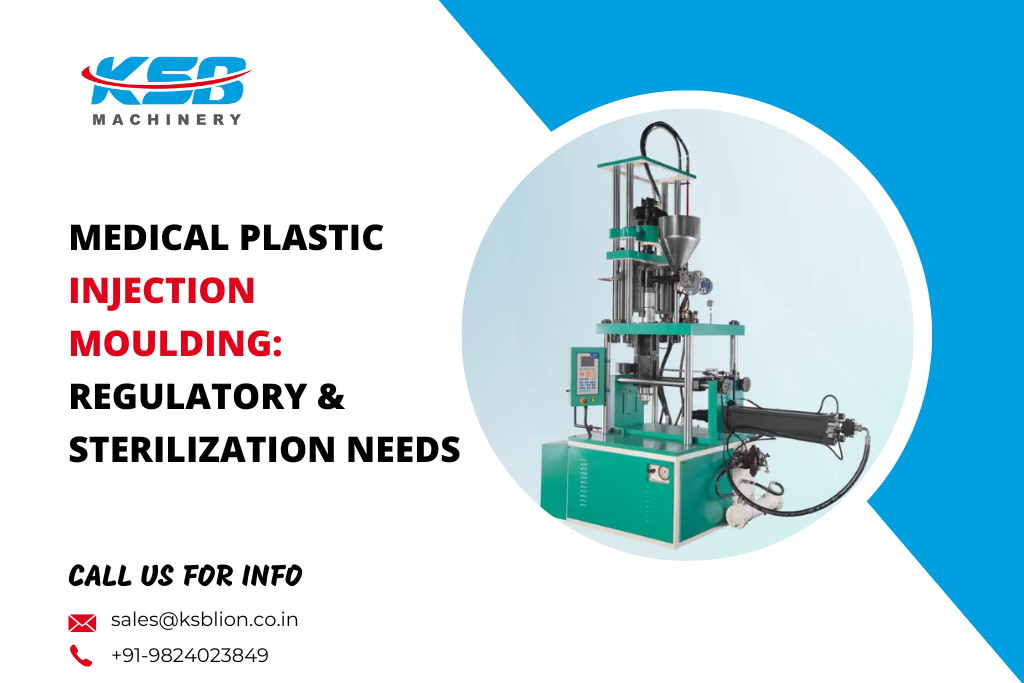
The healthcare industry depends heavily on precision, safety, and compliance. From syringes and IV components to diagnostic housings and surgical tools, plastic medical devices must meet strict quality standards. Medical plastic injection moulding plays a vital role in manufacturing these components at scale while ensuring consistency, sterility, and regulatory compliance.
This article explains the regulatory requirements for medical moulding, the importance of sterilization, and how advanced machinery from reliable Injection Moulding Machine Manufacturers supports safe medical production.
What Is Medical Plastic Injection Moulding?
Medical plastic injection moulding is a specialized manufacturing process used to produce high-precision plastic components for medical and healthcare applications. The process involves melting medical-grade polymers and injecting them into molds using a Plastic Injection Moulding Machine under controlled conditions.
This method is preferred because it offers:
- High accuracy and repeatability
- Ability to produce complex shapes
- Compatibility with medical-grade materials
- Cost-effective mass production
Why Regulations Matter in Medical Moulding?/
Medical components come into direct or indirect contact with patients, making safety non-negotiable. Regulatory bodies worldwide enforce strict guidelines to minimize risk and ensure patient safety.
Key Regulatory Requirements for Medical Moulding
The regulatory requirements for medical moulding typically include:
- ISO 13485 – Quality management systems for medical devices
- FDA (US FDA 21 CFR Part 820) – Quality System Regulation
- CE Marking (EU MDR) – Compliance for European markets
- Good Manufacturing Practices (GMP) – Process control and traceability
Manufacturers must maintain detailed documentation, validated processes, material traceability, and consistent quality testing throughout production.
Role of Plastic Injection Moulding Machines in Compliance
A modern Plastic Injection Moulding Machine is essential for meeting medical regulations. These machines provide:
- Precise temperature and pressure control
- Cleanroom-compatible operation
- Automation to reduce human contamination
- Real-time monitoring and data logging
Advanced machines help manufacturers maintain consistency and comply with strict validation and audit requirements.
Sterilization Standards for Medical Plastic Components
Sterilization is one of the most critical aspects of medical manufacturing. Sterilization standards for medical plastic components ensure that products are free from microorganisms before reaching patients.
Common Sterilization Methods:
- Ethylene Oxide (EtO) – Suitable for heat-sensitive plastics
- Gamma Radiation – Used for disposable medical products
- Steam Autoclaving – Effective for heat-resistant materials
- Electron Beam (E-beam) – Fast and efficient for high-volume production
Each sterilization method must be validated to ensure it does not compromise material strength, flexibility, or chemical stability.
Material Selection in Medical Injection Moulding
Material choice directly impacts regulatory compliance and sterilization compatibility. Common medical-grade plastics include:
- Polypropylene (PP)
- Polyethylene (PE)
- Polycarbonate (PC)
- ABS and medical-grade PVC
These materials are selected based on biocompatibility, chemical resistance, and ability to withstand sterilization processes.
Importance of Cleanroom Manufacturing
Medical plastic injection moulding often takes place in cleanroom environments. Cleanrooms help control airborne particles, temperature, humidity, and contamination levels.
Benefits include:
- Reduced risk of contamination
- Improved product quality
- Easier regulatory approvals
- Compliance with global medical standards
Cleanroom-compatible equipment from trusted Injection Moulding Machine Manufacturers supports safe and compliant production.
How Injection Moulding Machine Manufacturers Support Medical Industry?
Leading Injection Moulding Machine Manufacturers design machines specifically for medical and pharmaceutical applications. These machines feature:
- Servo-driven systems for precision control
- Energy-efficient operation
- Integration with automation and robotics
- Compliance-ready software and validation support
Choosing the right machine manufacturer is critical for companies producing regulated medical devices.
Frequently Asked Questions
What is medical plastic injection moulding used for?
Medical plastic injection moulding is used to manufacture syringes, tubing connectors, surgical instruments, diagnostic components, and disposable medical devices.
Why are regulations important in medical moulding?
Regulations ensure patient safety, product reliability, and compliance with global healthcare standards.
What sterilization methods are used for medical plastic components?
Common methods include EtO, gamma radiation, steam autoclaving, and E-beam sterilization.
How do injection moulding machines help with compliance?
Modern machines provide precise control, automation, and traceability required for regulatory approval.
Conclusion
Medical plastic injection moulding is a cornerstone of modern healthcare manufacturing, but it comes with strict regulatory and sterilization demands. From meeting regulatory requirements for medical moulding to adhering to sterilization standards for medical plastic components, every step must be carefully controlled.
Advanced Plastic Injection Moulding Machines and partnerships with experienced Injection Moulding Machine Manufacturers enable medical manufacturers to achieve consistent quality, regulatory compliance, and patient safety.
As healthcare technology continues to evolve, compliant and precision-driven medical injection moulding will remain essential to delivering safe, effective medical solutions worldwide.